How to Release Experimental Music Independently: A Guide by RZRecords


Introduction: Why This Guide Exists

We have been doing this for over twenty years. That is not a boast. It is a confession.

Twenty years of releases. Twenty years of collaborations. Twenty years of watching platforms emerge, promise democratization, and then monetize themselves into irrelevance. Twenty years of explaining to friends and family that yes, the mess, screaming and feedback is intentional, and yes, someone actually purchased it.

We have released harsh noise wall, avant-jazz, drone, dark ambient, electroacoustic improvisation, no-wave-noise-punk, and things we still do not have names for. We have worked with collaborators in Ukraine, Netherlands, Serbia, Canada, Russia, Japan, Philippines, Canary Islands, Israel, Poland, and obviously the US, and basements everywhere that do not appear on maps. We have released albums recorded on answering machines and dictaphones, and albums recorded in professional studios. We have pressed CDs, burned CDRs that remain unsold and cassettes that sold out in hours. We have made every mistake possible, often repeatedly, often publicly.

This guide exists because when we started in the early 00s, there was no roadmap. No one told us what to do and how to do it. There were no blogs telling you how to get your noise tape onto streaming services or how to coordinate a five-label split release with artists who do not speak the same language. There was no handbook for navigating the transition from physical-only distribution to digital aggregation. There was certainly no guide explaining how to explain to your parents and partners that the 40-minute track of modulated feedback is actually a deeply personal meditation on seasonal affective disorder.

You just did it, failed, and tried again. Then you did it differently, failed differently, and tried again differently. Then twenty years passed and you realized the failures were the point.

We are still failing. We are failing every day. We are still learning. Here is what we know so far.

Learn how to plan, coordinate, and release split projects with multiple artists — from splitting royalties and credits to aligning release strategies.

Part One: Before You Release Anything - Understand What You Are Actually Doing

This is the most important section of this guide. Read it twice.

You are not trying to "make it." You are not waiting to be discovered. You are not building a brand in the traditional sense. You are not cultivating an audience as a precursor to monetization. You are not creating content.

You are creating evidence.

Evidence that you existed. Evidence that you made sounds. Evidence that you collaborated with others. Evidence that you pushed against something. Evidence that you had something to say and you said it in the only language that made sense at the time.

This distinction matters because it changes how you measure success. Success is not a record deal. Success is not a certain number of likes or streams. Success is not placement on a playlist. Success is not a favorable review [save those, because sites that share kind words today might be defunct tomorrow, and you'll have no evidence].

Success is the release existing, someone hearing it, and perhaps someone else being inspired to make their own evidence. Success is someone in another country, another decade, finding your cassette in a used bin and wondering who you were. Success is being remembered at all in a culture designed to forget.

We wrote about this extensively in our post announcing the "3" split release , where we noted that releases like these are "fated to be lost to time, only to be occasionally remembered by the participants themselves." That is not pessimism. That is acceptance of the conditions under which we work. The work matters regardless of its lifespan.

The Only Equipment You Actually Need

We have released albums made with:

  • A single smartphone microphone placed in the center of a room

  • Discarded keyboards found on sidewalks during bulk trash pickup

  • GarageBand presets that came free with a 2012 MacBook

  • $2,000 studio sessions with outboard compression and analog summing

  • A children's toy discovered at a thrift store with dying batteries

  • Contact microphones attached to heating pipes

  • The built-in microphone on a laptop, placed too close to the speaker

None of these are requirements.

The requirement is that you finish something. A finished lo-fi recording is infinitely more valuable than an unfinished hi-fi vision. An imperfect release that exists is infinitely more valuable than a perfect release that remains in progress. We have watched excellent artists spend years perfecting their debut while we released twelve imperfect albums. Guess whose work exists in the world and whose exists as promise?

Minimum viable setup:

  • Any device that records audio (phone, computer, handheld recorder, boombox)

  • Any free DAW (Audacity, GarageBand, BandLab, Ocenaudio)

  • Any listening device that is not your recording device (headphones, monitors, earbuds)

  • Any method of exporting to MP3 or WAV

That is it. Everything else is optional. Everything else is preference. Everything else can wait.

Haggari Nakashe's "Chamber" was assembled from layers of synth drones recorded in a single afternoon on modest equipment. The result is a five-track exploration of depression and frequency that has resonated with listeners in ways we never anticipated. The equipment did not determine the emotional impact. The intention did.

The Mindset Shift: From Consumer to Producer

You have spent your life consuming music. You have internalized thousands of hours of other people's creative decisions. You have developed taste, discernment, and probably some amount of elitism about what constitutes "good" experimental music.

All of this is now a liability.

The transition from consumer to producer requires abandoning the evaluative mindset. Stop asking "Is this good?" Start asking "Is this finished?" Stop comparing your work to established artists with decades of experience and professional studios. Start comparing your work to your own previous work.

We have released albums we now consider mediocre. We have released albums we now consider embarrassing. We have never regretted releasing them. We have only ever regretted the releases we were too afraid to finish.

Part Two: The Actual Release Process

Step 1: Decide What "Released" Actually Means

There is no universal definition. For RZRecords, "released" has meant:

  • A private Bandcamp link sent to exactly seven people via direct message

  • A cassette dub passed hand-to-hand at a show with no digital presence whatsoever

  • Official distribution on twelve streaming platforms with ISRC codes and UPC barcodes

  • A single YouTube upload that currently has 14 views, 3 of which are the uploader

  • A CD-R burned in batches of five, hand-numbered, distributed exclusively through postal mail

  • A collaborative live recording later edited and released months or years after the performance occurred

All of these count.

Define your release before you begin. If your goal is streaming platforms, the process differs significantly from a short-run cassette release. Both are valid. Both require different timelines, different budgets, and different expectations.

For our split between Heavy Insect and Haggari Nakashe & gaop , we defined "released" as: available on Bandcamp immediately, available on streaming platforms approximately six weeks later, with no physical component. This definition shaped every subsequent decision: the timeline, the promotion strategy, the communication with collaborators.

For gaop's "Cardboard Boulevard" , we defined "released" as: an avant-jazz album with extensive liner notes, streaming availability prioritized, and a deliberate focus on the improvisational aspects of the recording. The definition shaped how we wrote about it, what we emphasized in promotion, and how we framed the work for listeners unfamiliar with gaop's approach.

Step 2: Distribution Pathways

For Digital-Only Releases:

Bandcamp remains the standard. This is not a paid endorsement. This is simply the reality of the independent experimental music ecosystem. Bandcamp offers fair revenue share (85% to the artist, 90% for merchandise bundles). Bandcamp offers embeddable players that work everywhere. Bandcamp offers direct fan relationships without algorithmic intermediation. Bandcamp offers the ability to set your own prices, offer pay-what-you-want, and distribute download codes to reviewers and collaborators.

We release everything on Bandcamp first. Often weeks or months before streaming services. Sometimes exclusively on Bandcamp with no streaming release at all. The platform respects our audience and our work in ways that streaming aggregators simply do not.

But we do love streaming. We love having the music easily available to everyone, anywhere.

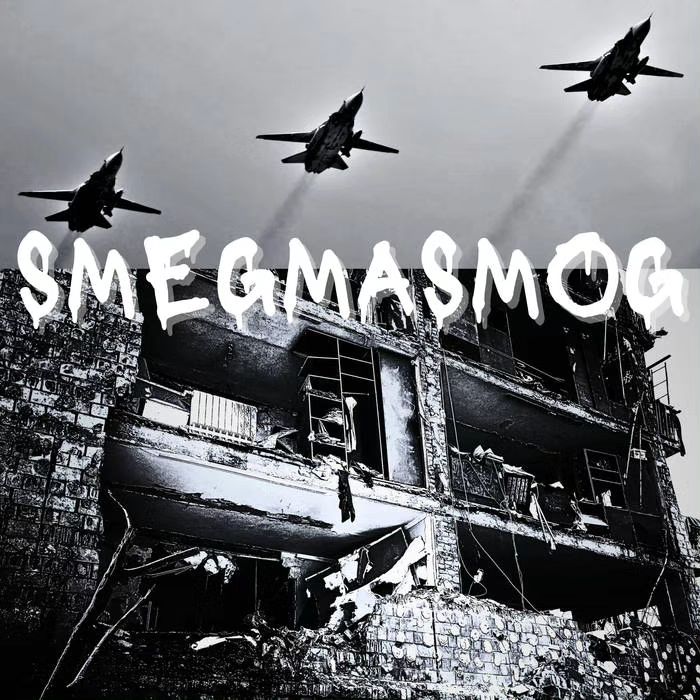
SMEGMASMOG's "BETRAYAL" was released on Bandcamp in early March 2025, with streaming platforms scheduled for approximately one month later. This window allows our core audience to discover and engage with the work before it disperses into the vast algorithmic indifference of Spotify and Apple Music. 

Streaming services require a distributor. You cannot upload directly to Spotify, Apple Music, Amazon Music, Tidal, or Deezer. You need a middleman. Your options include:

  • DistroKid: Fast, inexpensive flat fee. Best for high-volume releases. Approximately $20/year for unlimited uploads. Automatic revenue collection. Mediocre customer support.

  • TuneCore: Pay-per-release model. More administrative control. Better for artists who release infrequently and want to pay per project rather than annually. Approximately $15-50 per release depending on services selected.

  • Amuse: Free tier available. Slower rollout. Limited features. Good for absolute beginners who cannot yet afford paid distribution.

  • CD Baby: One-time fee, perpetual distribution. Approximately $30-100 per release. Excellent for artists who never want to think about renewal fees. Slowest processing times.

  • United Masters: Subscription model with more artist development claims. Mixed reviews from experimental artists. Better suited to hip-hop and pop.

Our recommendation: Start with Bandcamp only. Operate there for at least three releases. Learn how to describe your work. Learn how to embed players. Learn how to communicate with listeners. Streaming adds visibility but rarely revenue for experimental music. The math is brutal: you need approximately 250 Spotify streams to earn the same $1 you earn from a single Bandcamp download. Add streaming after you have established your Bandcamp presence and understand your audience.

For Physical Releases:

Short runs only. This is non-negotiable. Do not press 500 CDs. Press 30. Press 50. You can always press more. You cannot un-press unsold inventory. We know this from experience. We have a box of 100 CDs from 2022 that we mention in every conversation as a warning. The box remains full. The lesson remains unlearned by others who will repeat our mistake.

J-card cassettes remain the most cost-effective physical medium for extreme music. Duplication is inexpensive ($3-6 per unit for runs of 50-100). Packaging is flexible and allows for artistic expression. Shipping is manageable domestically and internationally. Cassette players are experiencing a nostalgia-driven revival that benefits experimental artists disproportionately. Check prices first. Sometimes it's not cost-effective, sometimes tariffs and taxes just mess everything up, it's always an uncomfortable surprise so do your best research.

CD-Rs are acceptable. Do not let anyone tell you otherwise. Do not let format elitists shame you for burning discs in your computer. We have released CD-Rs that traveled across oceans and changed how people thought about noise woodwinds. We have released CDRs that were later digitized, archived, and studied by listeners who discovered them years after the original run sold out. The format does not determine the art. The art determines the art.

Sabixatzil's "Calm Down" represents an interesting middle path: a digital release that emphasizes simplicity and minimalism, with no physical component. There were years on years where we did not release anything physical. This case was a deliberate choice that aligned with the album's aesthetic. The simpler guitar arrangements and cleaner sound would not have benefited from a cassette hiss layer or CD-R limitations. The format served the work rather than tradition. Your case is your case. YOU decide what makes sense, and you can always change your mind.

Step 3: Metadata and Barcodes

This is the least interesting section of this guide and the most frequently botched. We apologize in advance for its dryness. Read it anyway.

ISRC codes: International Standard Recording Codes. Each individual track needs one. Each different format (digital, streaming, CD, cassette) technically needs its own set, though streaming aggregators usually handle this automatically. Your distributor usually generates these codes at no additional cost. If you are self-releasing exclusively on Bandcamp with no streaming presence, you do not strictly need them. If you are going to streaming platforms, you absolutely do.

UPC/EAN codes: Barcodes for the release as a whole. A single release has one UPC code regardless of how many tracks it contains. Bandcamp generates these automatically for paid purchases. Distributors provide them for streaming releases. Do not purchase UPC codes from third-party resellers. This is a scam.

Catalog numbers: Create a system and stick to it. The system itself does not matter. Consistency matters.

We use RZR[YEAR][INITIALS][RELEASENUMBER].

  • RZR25SS01: The Anomalous Trackologies Split, 2025, Split Series, first release of that series

  • RZR24SoSc: The Spirit of Jazz Compels You, 2024, collaboration with Splitting Sounds Records

  • RZR25HNENT: Exploring Noise Textures, 2025, Haggari Nakashe, Noise Exploration Noises Textures

This system allows anyone looking at a physical release or digital listing to understand: the label, the year, the artist, the series placement. It is not elegant. It is not clever. It is functional and traceable.

Step 4: Artwork and Presentation

You need artwork. This is not optional. Even a minimal release needs a visual identifier. Even a text-only Bandcamp page needs a square image. Even a cassette J-card needs something printed.

You do not need to hire a designer. We have released albums with:

  • Smartphone photographs of textured surfaces

  • Scanned collages made from magazine clippings

  • Original drawings by collaborators' children

  • Pure black with white text

  • Pure white with black text

  • Deliberately bad Photoshop composites

What you need:

  • 3000x3000 pixels at 300 DPI for digital platforms

  • Print resolution appropriate for your physical format (consult your duplication service)

  • Readable text, especially the artist name and release title (tho sometimes it's a valid artistic choice to leave everything unmarked)

  • Consistent branding across all platforms

xPhin's "takahashi" artwork by Azalia Imamutdinova demonstrates what is possible when you collaborate with visual artists who understand the music. The nine-panel composition creates a dialogue between sound and image, inviting listeners to "decipher and establish the connection" between what they hear and what they see. This is not decoration. This is interpretation.

Part Three: The Art of the Split Release

Why Splits Matter

Splits are not filler between your solo work. Splits are not a way to half-fill a cassette side. Splits are not merely promotional cross-pollination tactics.

Splits are the truest expression of the experimental music community.

A split release says: We are different artists. We have different approaches, different equipment, different audiences, different aesthetics. But we share something. We share a physical object. We share listeners. We share the risk of putting our work next to someone else's and trusting that the juxtaposition will be generative rather than competitive.

We have participated in splits that took three years to materialize. We have participated in splits that came together in three days. Both are normal. Both produced work that could not have existed otherwise.

The "3" split release brought together cÆNINEZ, Haggari Nakashe & gaop, and SMEGMASMOG. Three artists. Three tracks. Just under thirty minutes. The release demonstrates "just how interesting, layered, dynamic, and complex noise music can be" when practitioners push against genre conventions and each other's expectations. This is the function of the split format.

The Spirit of Jazz Compels You represents a more complex collaboration: a single 40-minute track released simultaneously via RZRecords, Splitting Sounds Records (Serbia), and Noyade Records (Russia). This is not technically a split, both Haggari Nakashe and gaop appear on the same track, but it shares the split's fundamental principle: collaboration across boundaries, trust across distance, work that cannot be attributed to a single origin point.

How to Coordinate a Split Release

1. Ask directly.

Do not send a form. Do not create a submission portal. Do not post an open call, although that might work sometimes. Do not ask for demos.

Email the artist. Direct message the artist. Speak to the artist after their set. Say: "I admire your work. I think our approaches would complement each other. Would you be interested in sharing a release?"

We have (almost) never received a negative response to this question. Artists want to collaborate. They are waiting for permission to ask. Give them permission.

2. Define territory.

Is this a true split? (Separate tracks by separate artists, usually interleaved: your track, their track, your track, their track, or side A/side B.)

Is this a collaboration? (Recorded together simultaneously, or one artist contributes to the other's track.)

Is this a remix split? (Artist A remixes Artist B's work, Artist B remixes Artist A's work.)

Is this a compilation? (Multiple artists, one release, no requirement for equal representation.)

Be explicit. Write it down. Send it to your collaborator. Confirm that you both agree on what you are making. An initial approach will help every party prep for the occasionn.

Or, experiment with the format, make, remake, take your time. But be ready for possible hardships that emerge when there's no clarity.

3. Choose a lead.

Someone must handle the administrative burden. Someone must coordinate artwork. Someone must upload to Bandcamp. Someone must communicate with distributors. Someone must write the release description.

This does not have to be the same person for every release. It does have to be someone. Splits fail when everyone assumes someone else is handling the boring parts.

4. Accept delays.

Life intervenes. Health emergencies. Family obligations. Equipment failures. Creative blocks. Loss of motivation. All of these are normal. All of these are acceptable.

We have split releases that took three years to materialize. We have split releases that we announced and then quietly abandoned. We have split releases that resurfaced years later when both parties finally had capacity. All of these outcomes are preferable to rushing work that is not ready.

Anomalous Trackologies Split was explicitly conceived to "help to put us back on track with our split series." We had underperformed in previous years. We had allowed life to interrupt momentum. The solution was not to wait for conditions to improve. The solution was to release something, anything, and let the act of releasing restore the habit of releasing.

Multi-Label Releases: Advanced Coordination

When multiple labels coordinate a single release, the complexity increases exponentially. Each label has its own catalog system. Each label has its own audience. Each label has its own expectations about promotional commitment.

Protocol we have developed through trial and error:

  1. Agree on the master audio file. One person masters. One person approves the final master. Everyone else accepts that decision. You cannot have six people with six different opinions about the EQ curve. Choose one mastering engineer. Trust them.

  2. Agree on the release date. This must be the same date across all platforms and all time zones. If RZRecords releases on March 15 and Splitting Sounds Records releases on March 22, you have sabotaged your own release. The second release will appear derivative of the first.

  3. Coordinate announcement timing. All labels announce simultaneously. All labels link to all participants. All labels credit the other labels prominently. This is not about attribution. This is about demonstrating to your audiences that collaboration is possible and desirable.

  4. Catalog numbers coexist. Our catalog number appears alongside their catalog number. Both are valid. Both are correct. The release exists simultaneously in multiple organizational systems. This is not confusion. This is abundance.

BE PREPEARED FOR MISTAKES
Difficulties will emerge, things will go wrong, people will err, that's OK.

The Spirit of Jazz Compels You was released as SSR-RR-0248 (Splitting Sounds Records) and RZR24SoSc (RZRecords). Both numbers appear on the Bandcamp page. Both numbers appear in promotional materials. Neither label claimed primacy. Neither label demanded top billing. The release belonged to both communities equally.

Part Four: Promotion Without Selling Out

The Paradox You Must Accept

You want people to hear your music.

You also might not want to become a content creator, an influencer, a brand strategist, or a social media manager. Those things require a lot of time, energy, know-how, and they're not for everyone. You did not get into experimental music to optimize engagement metrics. You got into experimental music because feedback and dissonance express something about the human condition that conventional harmony cannot.

This paradox is not resolvable. It is only manageable.

Solution: Separate your artistic identity from your promotional presence. Not entirely, the music must remain connected to its promotion, but sufficiently that you do not confuse creation with marketing.

YOU MIGHT NOT WAT TO DO THIGS, so don't. Do not make Instagram Reels of yourself recording. Do not film yourself reacting to your own music. Do not write marketing copy that sounds like marketing copy. Do not use phrases like "captivating listeners worldwide" or "highly anticipated follow-up."
You NEED to feel comfortable in your own skin, sometimes it's just about your artistry, sometimes you just want to make some noise.

Do post when you have something to share. Do write about why this release matters to you personally, emotionally, aesthetically. Do embed the Bandcamp player and let the music speak for itself. Do share other artists' work more frequently than you share your own. Participate online, contribute to your local scene, help others when you can.

SMEGMASMOG's "BLOOD STAINED SOIL" promotional text does not attempt to convince you that the album is good. It does not list accolades or favorable comparisons. It states: "THE TEARS OF OUR MOTHERS ARE TRANSFORMED INTO SIREN SCREAMS OF REMEMBERANCE. SEE THE PAIN OF OUR PEOPLE, HEAR OUR VOICE." This is not marketing. This is the work itself, extended beyond audio into text.

Working With Blogs and Reviewers

Do not send mass press releases. Do not cc forty email addresses. Do not follow up five times. Do not ask when the review will be published. Do not complain about the review if it is negative. BUT FEEL FREE TO DO SO IF THAT'S WHO YOU ARE.

Do identify specific writers who cover your specific micro-genre. This requires research. Read their publication. Understand their taste. Determine whether your release actually fits their coverage area.

Do send a personal, brief email. "I have followed your coverage of harsh noise wall for several years. My recent album engages with some of the themes you've written about regarding depressive blackened noise. I would be honored if you considered it for review."

Do include a streaming link and a download code. Do not require the reviewer to request access. Do not make them jump through hoops.

Do accept silence as an answer. Reviewers are overwhelmed. Your email may be lost. Your release may not fit their schedule. Your work may not interest them. None of these are personal attacks. Don't take it personally. Ping them again but be ready to move on.

Haggari Nakashe's "One Eighty Seven" received coverage because the writer had personal experience with seasonal affective disorder and recognized the authenticity of the work's emotional landscape. The review emerged from genuine connection, not promotional effort.

Social Media Without Burnout

Choose one platform. Master it. Abandon the rest. 
BE READY TO ABANDON IT TOO IF IT DIES

We chose Instagram. Why? Because visual documentation of physical releases matters to our aesthetic. Because the square format accommodates album artwork. Because the ephemeral nature of Stories matches the ephemeral nature of limited-run cassettes. Because we can post a photo of a J-card and write a paragraph about the release without algorithm manipulation.

Another label might choose Twitter (X) for conversation threads about noise theory and genre taxonomy. Another might choose Discord for real-time community building and direct listener interaction. Another might choose YouTube for video documentation of live performances and studio sessions. Another might choose Mastodon for ideological alignment with federated, non-corporate platforms.

You do not need to be everywhere. It's OK to try, but some of us have less time or energy.
You need to be somewhere consistently. You need to be present enough that listeners can find you, contact you, and trust that you are still operational. You do not need to be posting daily. You do not need to be following trends. You do not need to be optimizing all day long.

RZRecords' Instagram presence is minimal. We post when we have releases. We post when we receive physical inventory. We repost artists who tag us. We repost stuff we like because sharing is caring. We do not use Stories unless there is urgent news. What is urgent news to a weird micro-label? We do not use Reels. That's a lie, we sometimes do. Our engagement is low. Our audience is small. We have possibly never gained a single listener through Instagram that we did not already reach through Bandcamp. But the platform serves its purpose: it exists, it is accurate, and it links back to our actual work.

Part Five: Common Mistakes We Have Made So You Don't Have To

The 100-CD Mistake (one case of many)

We pressed 100 CDs for a 2022 release. The artist was excited. The artwork was beautiful. The mastering was professional. The music was strong.

We have sold 23.

We have given away 40.

The remaining 37 live in a cardboard box in a closet. They accrue guilt with each passing year. We cannot sell them now because the release is no longer current. We cannot discard them because that feels like admitting defeat. We cannot ignore them because we encounter the box every time we search for shipping supplies. We just give them and other releases away from time to time, one unit at a time

DO THE MATH. Press small. Press often.

A run of 30 CDs sells out. A sold-out release creates demand. Demand justifies a second pressing. A second pressing sells to people who missed the first. This virtuous cycle is impossible if you over-press initially.

We know this intellectually. We continue to violate this principle. Do not emulate us. Emulate the version of us that learns from mistakes.

Look up on-demand-prints, those might help you to avoid the need to interact with people, ship stuff around. Selling merch at gigs is not for everyone, so is becoming an online merchant, it does not fit all.

The Streaming-Only Mistake

We released a 2023 album exclusively on streaming platforms. No Bandcamp. No physical. No direct sales path.

The logic: streaming reach would compensate for direct sales revenue. Streaming platforms have millions of users. Bandcamp has thousands. Surely the math favored the larger platform.

It did not.

Streaming reach for experimental music is a myth unless you are already famous. The algorithms do not promote harsh noise wall to listeners who primarily stream Taylor Swift. The playlists that feature experimental music have tiny followings compared to mainstream equivalents. The revenue per stream is so low that you need tens of thousands of plays to earn what Bandcamp pays for a single download.

Bandcamp is where your core listeners actually purchase and engage. Streaming is where your work exists for archival purposes and occasional discovery. Both have value. Neither is interchangeable. Do not abandon Bandcamp for streaming. Add streaming as a supplement, not a replacement. Research other platforms and communities, but remember that they're full of people that are constantly bombarded by artist that spam their music, and people don't just click on anything, and spam filters exist for a reason. 

The Over-Explaining Mistake

Early RZRecords posts spent considerable energy justifying why our music was valid. Why noise deserved attention. Why experimental approaches were legitimate. Why dissonance could express emotion as effectively as melody. We did that for decades. We sometimes still do. It's a mechanism.

This is unnecessary.

The music justifies itself. Explanatory text should illuminate the work, not defend its existence. When you write "this album explores the relationship between sound and sadness through layered synth drones," you are helping listeners understand what they will hear. When you write "this is real music even though it doesn't have traditional song structures," you are arguing against an accusation no one has made. 

There's an urge to defend music that's not universally liked. We know. We do it too.

Haggari Nakashe's "EXPLORING NOISE TEXTURES" post contains an interesting paradox: it explicitly states that rewriting the artist's promo text "would just harm the message, his message." This is defensible when the artist's own words are the clearest expression of the work. It becomes a liability when adopted as a universal policy. Trust your own voice. You are a curator, not a transmitter. Trust your own sound too. It's hard to do, but it helps you grow.

The Perfectionism Mistake

We have delayed releases for months chasing a perfect master. We have postponed announcements because the album title wasn't quite right. We have held finished recordings for weeks waiting for ideal release dates that never arrived.

The delay always harmed the release more than the imperfections would have.

A release that exists imperfectly can be heard, discussed, appreciated, criticized, and remembered. A release that does not exist cannot do any of these things. The perfect master you are chasing is imaginary. The album title you are waiting to discover will not arrive via revelation. The ideal release date is today.

gaop & Haggari Nakashe's "Experiments for Two Synths" is nine tracks of what the title promises: experiments. Not polished statements. Not definitive works. Experiments. The release exists because the artists accepted that "experiment" is a valid category, not a failure to achieve "album."

Part Six: Sustainability and Longevity

This Is Not a Career

Let us be extremely clear. Read this section carefully. Internalize it.

RZRecords has never made money.

We have sometimes broken even on specific releases. A $200 cassette run sells out, generating $200 in revenue. A Bandcamp release earns $50 in download sales, covering the $20 DistroKid fee and leaving $30 for the next release's artwork printing.

We have never broken even on the collective as a whole. The cumulative costs of unreleased experiments, unsuccessful promotions, unsold inventory, and uncompensated labor far exceed any revenue we have generated.

YOU MIGHT NEVER BREAK EVEN ON THE GEAR YOU OWN
That's the reality of underground music. Noise rarely becomes a huge hit.

This is not failure. This is the nature of the work.

Experimental music is not a viable career path for 99.9% of practitioners. You will not quit your job. You will not replace your income. You will not achieve financial stability through noise releases. These are not failures of effort or talent. These are structural realities of a niche cultural practice operating outside commercial systems.

Financial expectations:

  • Bandcamp revenue sometimes covers the next release's distribution fees

  • Cassette sales cover the next cassette duplication

  • CD sales (if any) cover shipping supplies

  • Profit is reinvested into future releases or does not exist

  • Loss is normal and expected, you'll buy equipment, pay for travel, bills will never stop coming in

Emotional expectations:

  • Most releases will receive minimal attention

  • Your favorite work will be your least heard

  • The people who do hear it will remember it disproportionately

  • The connections formed through collaboration will outlast any specific release

  • Twenty years later, you will still be doing this, not because it works but because it is who you are

cÆNINEZ, Haggari Nakashe & gaop, and SMEGMASMOG's "3" post contains the most honest assessment of this condition we have ever published: "With the sheer amount of music released every second, this testament to the remarkable side of noise might get lost to time, only to be occasionally remembered by the participants themselves. But such is always the nature and risk of music."

We wrote that. We meant it. We continue releasing anyway.

Archiving Your Work

You are the only person guaranteed to preserve your catalog.

Streaming services delist. Bandcamp pages expire. Hard drives fail. Websites are discontinued. Social media platforms collapse. The internet is not permanent. Commercial platforms have no obligation to maintain your work indefinitely.

Maintain:

  • A local backup of all master WAV files (not just MP3s, not just streaming-quality exports)

  • A local backup of all artwork at print resolution (300 DPI minimum, CMYK for print, RGB for digital)

  • A text document with release dates, catalog numbers, collaborators, and relevant context

  • Photographs of physical releases before they sell out or are damaged

  • Correspondence with collaborators that documents the creative process

Physical archive:

  • Keep two copies of every physical release

  • One for display, reference, and listening

  • One sealed, untouched, preserved

  • Store them in different locations if possible

You will want to revisit this work in ten years. You will want to hear what you were thinking, feeling, and expressing. You will want to share it with new collaborators who weren't present the first time. You will want to confirm that you existed, that you made sounds, that you left evidence. You'd be amazed by how awesome your half-jokingly done grindcore project is going to sound 12 years down.

Sabixatzil's "Calm Down" exists only digitally. This is a conscious choice that aligns with the album's minimalist aesthetic. It is also a preservation risk. We have discussed creating a small physical run specifically for archival purposes. We have not acted on this discussion. We should.

The Long Game: Twenty Years of Evidence

We started in the early 00s. The specific year is lost to memory and hardware failure. We have released intermittently since then, with periods of intense productivity and periods of near-total silence.

The through-line is not consistency. The through-line is persistence.

We have watched collaborators quit music entirely. We have watched labels disappear overnight. We have watched platforms that promised permanence become abandoned digital ghost towns. We have watched trends in experimental music emerge, dominate, and recede.

We are still here.

Not because we are talented. Not because we are strategic. Not because we have achieved anything resembling success.

We are still here because releasing music is not something we do. It is something we are.

Les Carnages Possibles, NishMa & gaop's "Honey & Cream" represents a collaboration across time: the original track "Honey Hunting" reimagined years later by gaop. The reimagining adds "delicate layers of synth drones, subtle hiss noises, and woodwinds, resulting in a beautiful and poignant tribute with a unique character of its own."

This is the long game. Not the immediate release, but the subsequent engagement. Not the original statement, but the response. Not the evidence, but the reinterpretation of evidence.

Part Seven: Advanced Considerations

Working Across Borders

International collaboration introduces complications: shipping costs, currency conversion, language barriers, time zones, and increasingly, customs regulations.

Our experience:

  • Shipping cassettes from the US to Europe costs approximately $15-25 for tracked packages. This often exceeds the cost of the cassette itself. Factor this into pricing or accept that international sales will be low-margin.

  • PayPal remains the standard for international payment. Bank transfers are too expensive. Cryptocurrency adoption is too inconsistent. Accept PayPal and build the fees into your pricing.

  • English is the default language for international experimental music communication. This is unfortunate but pragmatic. We have collaborated with Russian, Serbian, and Japanese artists using English as our common language. Machine translation tools help but cannot replace direct communication.

  • Time zone differences require asynchronous communication. Develop the patience to wait 12-24 hours or weeks for responses. Do not expect real-time conversation across more than three time zones.

The Spirit of Jazz Compels You involved labels in Serbia and Russia coordinating with artists in multiple locations. The collaboration succeeded because all parties accepted that communication would be slow, that misunderstandings would occur, and that trust would compensate for imperfect information exchange. Yes, we work with artists from both Ukraine and Russia. No, they don't have to work with each other and sometimes they'd rather not be mentioned together. People are people. The world is difficult. Art sometimes helps to bridge that.

Accessibility Considerations

Experimental music audiences include people with disabilities. Your release practices should account for this.

Audio:

  • Include volume normalization where possible. Extreme dynamic range can be physically painful for some listeners.

  • Provide lossless formats (FLAC, WAV) for listeners who require maximum audio clarity.

  • Avoid exclusive reliance on streaming platforms that force specific compression algorithms.

Visual:

  • Ensure your Bandcamp page and website are screen-reader compatible. This means alt text for images, descriptive links, and proper heading structure.

  • Use sufficient color contrast in artwork and text. What looks good in RGB may be illegible for visually impaired users.

  • Provide text descriptions of visual artwork for blind and low-vision listeners.

Physical:

  • Consider that cassette and CD packaging requires fine motor manipulation. J-cards are difficult to read. Discs are difficult to handle.

  • Offer digital alternatives to physical purchases. Do not force listeners to buy physical media they cannot use.

We have not consistently implemented these considerations. We are learning. We welcome guidance from disabled listeners and accessibility experts. We hear back from people that ask for stuff we've never even considered in the past. It's a never ending learning curve, and we do what we can.

When to Stop

This section is the hardest to write. The first urge is to NEVER STOP.

Sometimes you need to stop.

Sometimes a release is not working and will never work. Sometimes a collaboration is producing frustration rather than art. Sometimes a label has run its course. Sometimes the energy that sustained your practice for years has simply depleted. Sometimes a project was a result of a friendship, and now it's no more.

Stopping is not failure.

Stopping is recognition that conditions have changed. Stopping is acceptance that some projects do not reach completion. Stopping is permission to redirect your energy toward something else.

We have stopped projects. We have abandoned releases. We have let collaborations dissolve through silence rather than declaration. We have taken breaks that stretched into years.

We have always come back.

The music does not disappear because you stop releasing. The connections do not sever because you stop communicating. The evidence remains evidence whether you add to it today or five years from today. GIVE YOURSELF TIME TO LOVE, HEAL, RECUPERATE, GROW.

Conclusion: The Extremely Independent Manifesto

You do not need permission.

You do not need to be good enough, ready enough, or professional enough. You just need to be done enough. You need to have completed something, however modest, and you need to remember that YOU ARE ENOUGH.

Releasing experimental music is less about chasing algorithms and more about building a small, real ecosystem around your work. It's about community. It's about YOU.

Focus on three pillars: a clear home for your catalog (try Bandcamp, your own site, or both), a simple, repeatable release workflow, and a handful of channels where you actually enjoy talking about your music. 

You do not need a perfect rollout to “deserve” a release. You need a finished track, some honest words about what it is, and a place for it to live where listeners can find and support you. Start with one platform, one short description, one post telling people it exists, and treat each release as practice rather than a final exam. 

Over time, you can add layers: pitching to niche blogs and curators that care about noise/ambient/avant‑garde/whatever-core, swapping releases with other small labels, or organizing splits and compilations. 

Think of every release as a conversation starter: something that gives people a reason to click, listen, and maybe even reach out to collaborate. 

Most importantly, don’t wait until you feel “professional enough.” The only way to learn how to release experimental music is to release experimental music. Finish the tracks, package them as respectfully as you can, put them out, and let the next one be a little better than the last.


EXPLORING NOISE TEXTURES by Haggari Nakashe


Usually, it's best to write original content so search engines won't tag you as a spammer copying texts from elsewhere. I guess this time is a perfect opportunity for an exception, as Haggari pretty much sums everything up perfectly, so rewriting his promo blurb into something else would just harm the message, his message.

What's left to add is that this very (sad but) enjoyable release (catalog no. RZR25HNENT)  is available on Bandcamp, and should hit streaming services sometime next month. 

Follow Haggari's Instagram for more updates.


Here's what Haggari had to say:
My latest offering, "EXPLORING NOISE TEXTURES", is a two-track album that delves deep into the interplay between sound and sadness, rethinking personal experiences that might resonate with the listener's emotional landscape via sounds. Each 25-minute track serves as an exploration, where dissonant layers of synth noise weave together delicate ambient-like textures, challenging the inner peace and further exploring notions of music and art in therapy. I feel that in the noise genre, the often-overlooked spaces of sadness and introspection are neglected as the genre tends to sometimes be more anger-driven, transforming raw emotional responses and angst into an auditory assault; where this is an attempt to turn negative emotions into something that serves the purpose of healing, venting and sharing, both haunting and profound, but not as aggressive as HNW tends to feel. I invite listeners to embrace the beauty of chaos and the significance of emotional vulnerability, hoping this could leave you pondering upon your own rich tapestry of sadness and sounds long after the final note fades.


What makes this release particularly compelling is how it challenges the listener's relationship with discomfort. While many noise artists use harshness as a form of confrontation or catharsis through aggression, Haggari opts for a more meditative descent into emotional terrain. The extended 25-minute format of each track isn't just ambitious, it's essential to the work's purpose, allowing the synth textures to gradually build and shift, creating space for genuine introspection rather than immediate impact. This is noise as a slow burn, where the therapeutic potential emerges not from explosive release but from sustained immersion in carefully crafted sonic unease.

For those new to our corner of experimental music, "EXPLORING NOISE TEXTURES" serves as an unexpectedly accessible entry point into the broader world of ambient noise and drone. The album rewards patient listening, ideally with headphones in a darkened room, allowing the layers to reveal themselves over time. We hope that you see how the effort by Haggari Nakashe to continue and demonstrate that he's vital to the underground experimental community since the early 2000s, consistently championing work that refuses easy categorization. If this release resonates with you, make sure to explore the rest of Haggari's catalog and keep an eye on RZR's ongoing split series, which regularly pairs complementary artists in ways that spark unexpected creative dialogue.

Beyond Bandcamp and streaming platforms, Haggari has been steadily building a visual dimension to his sonic explorations through the RZRecords YouTube channel, which he currently operates. The channel features videos accompanying his music, adding another layer to the immersive experience he's crafting. For those who want to dive deeper into his creative process or experience his work in a different format, the YouTube channel offers an evolving archive of his output. It's worth subscribing not just for the music itself, but to witness how Haggari continues to expand the ways listeners can engage with his brand of introspective noise, visual accompaniment often transforming these already meditative pieces into something approaching installation art.

BETRAYAL by SMEGMASMOG


Honey, wake up, the new SMEGMASMOG just dropped, on time for International Women's Day!

It's super loud, really abrasive, and distinctively sad due to the keyboard lines added to the noise, feedback, shrieks, and tortured screaming.

If there was ever a depressive blackened HWN genre, this is it. Obviously, it thematically revolves around the title, which gives you a whiff of the upcoming rot, BETRAYAL.

It's a two-track album, over 40 minutes of pleasurable aural abuse. I could go on about it but you should really just make time and listen to what these chaps do.

It's available on their Bandcamp, and will also pop up on streaming platforms within the next month or so.

While you're clicking links, make sure to follow their Instagram page for more updates. They really deserve your attention.


The fusion of harsh noise wall with melodic keyboard elements creates something genuinely unsettling in ways traditional HNW rarely achieves. Where most harsh noise wall maintains an almost meditative static quality through sheer unrelenting consistency, SMEGMASMOG punctures that wall with haunting melodic fragments that feel like memories bleeding through concrete. The keyboard lines don't soften the blow, instead, they make the abuse feel more personal, more targeted, transforming what could be abstract sonic punishment into something that cuts closer to lived emotional experience. It's the difference between standing in a blizzard and standing in a blizzard while remembering warmth.

The International Women's Day release timing adds another dimension to the album's thematic weight, though SMEGMASMOG wisely lets the music speak for itself rather than over-explaining the connection. At over 40 minutes across two tracks, "BETRAYAL" demands serious commitment from listeners, this isn't background music or something you put on casually. Set aside time, ideally in complete darkness with headphones turned up dangerously loud, and let the feedback, shrieks, and keyboard-driven despair wash over you. This is noise as emotional exorcism, and it works best when you're willing to sit in the discomfort until something shifts.

Anomalous Trackologies Split by Heavy Insect and Haggari Nakashe & gaop


Anomalous Trackologies Split by Heavy Insect and Haggari Nakashe & gaop
We are extremely happy to announce this super interesting release, one of the first gems to hit RZR in 2025.

A split between Heavy Insect, an alternative noise rock, sludge, post-grunge, insanecore, weirdo indie one-man band from Chicago, doing some really inspiring work from his basement, and our very own Haggari Nakashe & gaop, with a painfully loud, raw, slow, and dirty take on noise rock.

This split will be released on streaming platforms around April, but as of last night, you can stream and purchase it via Heavy Insect's Bandcamp (see the embed below for easy access). We encourage you to do so. Make sure to check out his latest album "Out of Light", which was released last month.

Officially known as RZR release RZR25SS01,  we really hope that the Anomalous Trackologies Split will help to put us back on track with our split series. This pet project is something we try to promote hard every year but often underperform, given how sometimes life is just a series of random events that can hold you back from doing the things you love.

Now that we hopefully have you excited about this item, please make sure to follow Heavy Insect on Instagram as well because he definitely deserves your attention both to his music and to his visual art, which is on some primitive outsider next level. Don't forget to follow him on Bandcanp, Spotify, and wherever you get your music from. You won't regret it.

Another note about this release: You have to listen to the entirety of it in one go, or at least so we recommend. The tracks get increasingly more chaotic and heavy as they progress, so essentially, this release is meant to lure people in like a Siren and hit em like a Venus flytrap. Have to is obviously very strong wording, and we're not forcing you to do anything. If you have read this post so far, we're mostly grateful for your time and attention. 


What makes this split particularly effective is the dialogue between basement-born chaos and intentional sonic brutality. Heavy Insect's approach, lo-fi, unpredictable, genre-defying, feels like someone tearing apart the rulebook while Haggari Nakashe & gaop meticulously construct their assault with deliberate slowness and grime. It's the difference between wild improvisation and calculated devastation, yet both sides share a commitment to making noise rock feel genuinely unsettling again rather than just loud. The pairing works because neither artist is trying to be palatable or accessible; they're both committed to discomfort as an aesthetic choice, just arriving at it through different creative processes.

The DIY spirit runs deep through this release, and that extends beyond just the music itself. Heavy Insect's visual art deserves special mention here, his outsider aesthetic complements the sonic chaos perfectly, creating a complete artistic vision that reminds you why independent labels this matter. This is art made by people who need to make it, not because there's a market for it or because algorithms will reward it, but because the alternative is not making it at all. In an era where even "underground" music gets smoothed out for playlist compatibility, releases like Anomalous Trackologies feel genuinely countercultural, two artists from different far apart , connected by a label that's been championing this kind of uncompromising work for over two decades, creating something that exists entirely outside the usual music industry infrastructure.

4AU by Sabixatzil, Haggari Nakashe, gaop & NishMa

We have some very exciting news to share!

Today, this killer release is dropping via our good friend, Fruit Exports.

This gloomy and doomy 25-minute-long session is a an amalgamation of various musical styles, blending elements of free jazz, noise, drone, and doom, along with a bunch of other genres that cleverly overlap within this eclectic Venn diagram. 

It was a fun live session that some of the RZRecords team had the pleasure of participating in, each contributing their unique vibe, flair, and creative energy to the groovy noise-soundscape we crafted together.

The lineup was:
Sabixatzil - Guitar
Haggari Nakashe - Synths
gaop - Clarinet
NishMa - Drums, percussion

Following the live session, the original source files underwent a light process of re-editing, during which we infused the recording with some studio magic, and sprinkled some more dirt on it, enhancing the auditory experience and further elevating the raw sounds we had initially produced. 

This refinement transformed our joined performance into a polished-turd-like piece of noise art, capturing the essence of our improvisational exploration while also offering a more cohesive listening experience. But you can be the judge of that.

We were incredibly fortunate to connect with the wonderful folks at the Fruit Exports label, who expressed interest in our work and graciously agreed to release this session for the world to hear. Their support and enthusiasm for our project not only provided us with a wider platform but also validated the creative efforts of all the artists involved. 

This isn't just a collaboration between artists but also a collaboration between like-minded labels, and we strongly encourage you to check out their other releases on their Bandcamp, which have been accumulating over the last year, as there's a lot of inspiring music coming from them.

We are eagerly looking forward to sharing this unique sonic experience with you, don't feel pressured though. We're also looking forward to collaborating with Fruit Exports again in the very near future!

This EP is available for streaming and name-your-price download on the Fruit Exports Bandcamp.


The instrumental lineup here creates fascinating textural possibilities that wouldn't emerge in a more conventional band setup. Sabixatzil's guitar provides the foundation of grit and distortion, while Haggari's synths wash over everything with oscillating dread. But it's gaop's clarinet that becomes the wildcard, a voice that slips between melodic fragments and squealing dissonance, sometimes conversing with the rhythm section, sometimes fighting against it. NishMa's percussion work anchors the chaos without attempting to tame it, providing just enough structure to keep the whole thing from dissolving entirely while still leaving space for the improvisation to breathe and mutate. This combination of traditional jazz instrumentation (clarinet, drums) with noise elements (synth abuse, distorted guitar) creates a sonic middle ground where neither genre dominates, resulting in something genuinely hybrid.

The partnership with Fruit Exports represents exactly the kind of cross-pollination that keeps experimental music communities vital and interconnected. Rather than operating in isolation, RZRecords continues to build bridges with like-minded outlets, creating networks of support that benefit everyone involved. Fruit Exports has been quietly building an impressive catalog over the past year, and this collaboration gives both labels' audiences a chance to discover new artists they might have otherwise missed. The name-your-price model on Bandcamp also reflects a shared philosophy about accessibility, these aren't releases designed to maximize profit, but rather to maximize reach and impact. When underground labels collaborate like this, they're not just releasing music; they're actively building the infrastructure that allows experimental music to survive and thrive outside commercial channels.

One Eighty Seven by Haggari Nakashe

One Eighty Seven by Haggari Nakashe


Haggari Nakashe’s "One Eighty Seven" immerses listeners in a haunting soundscape that poignantly encapsulates the deep, often overwhelming emotions tied to seasonal affective disorder. As the seasons shift, so does the listener's mood, and these droning dark ambient textures create an atmosphere that echoes the melancholy accompanying this cyclical change. The synth layers evoke a sense of desolation, mirroring the stark contrast between the vibrant summer and the mournful winter. Each note echoes the feelings of isolation and introspection that many experience as the days grow shorter, enveloping the listener in a blanket of sorrow that is both familiar and profound.


The structure of "One Eighty Seven" effectively mirrors the rhythmic nature of seasonal depression, using a semi-pleasant yet unsettling drone that feels like the weight of impending darkness. This slow build never culminates, as feelings constantly twist and turn, perfectly capturing the unpredictable emotional landscape of those affected by this condition. As the track progresses, it invites reflection, encouraging listeners to confront their own seasonal struggles while reveling in the haunting beauty of the composition, mirroring the feeling a cold cloudy day leaves behind, where the clear air and the smell of rain mark one's soul with invisible melancholy. By the time the piece fades into silence, it leaves behind an echo of sadness that lingers in the air, a reminder of the yearly cycle of depression that many face. In this way, "One Eighty Seven" serves as a musical exploration of internal turmoil and a deeply resonant emotional experience that speaks to the universal struggle with the changing tides of life.


RZRecords catalog number: RZRx25x1


For fans of dark ambient music and experimental electronic soundscapes, "One Eighty Seven" represents a masterclass in synth-based composition and atmospheric production. Haggari Nakashe utilizes modular synthesis techniques and layered drone textures to create an immersive listening experience that appeals to followers of artists like Lustmord, Tim Hecker, and The Haxan Cloak. Available for streaming on Spotify, Bandcamp, and other major music platforms, this dark ambient album showcases the producer's ability to craft emotionally resonant electronic music that transcends typical genre boundaries. The album's production quality demonstrates professional studio techniques combined with raw experimental elements, making it essential listening for anyone interested in ambient noise, drone music, or contemporary experimental electronic music in 2025.

Mental health awareness through music has become increasingly important in experimental and ambient music communities, and "One Eighty Seven" contributes meaningfully to this conversation by addressing seasonal affective disorder through sonic exploration. The album serves as both therapeutic soundscape and artistic statement, joining a growing catalog of mental health-focused ambient releases from independent labels like RZRecords. Listeners searching for music about depression, winter blues, or emotional wellness will find this dark ambient release particularly resonant, as it authentically captures the psychological weight of seasonal depression without resorting to cliché or oversimplification. The track is available as a free or name-your-price download on Bandcamp, making it accessible to anyone seeking cathartic electronic music or atmospheric soundscapes for meditation, reflection, or emotional processing during difficult seasonal transitions.

The Spirit of Jazz Compels You, by Haggari Nakashe & gaop

This is a single-track, 40-minute-long album, released in a very fun collaboration via two other labels: Splitting Sounds Records, from Serbia and Noyade Records, from Russia.

This is really pure joy. It's the excitement of an international collaboration with such amazing labels that release hidden gems, doing us the favor of bringing us in and allowing us the pleasure of joining their circle.
It's the joy of experimental music. Supporting a release that flows like a painting, it has a beautiful droning backdrop, layers of pads, noise, and acoustic instruments. What else could one ask for?
Not much really. 

Haggari Nakashe is on most electronics & gaop is on noise woodwinds.


The Spirit of Jazz Compels You


Released on Splitting Sounds Records as SSR​​​-​​​RR​​​-​​​0248
Released on RZRecords as RZR24SoSc

"The Spirit of Jazz Compels You" represents a somewhat groundbreaking fusion of experimental jazz, drone music, and ambient soundscapes that pushes the boundaries of contemporary improvised music. This 40-minute journey through doom jazz and noise jazz territories combines acoustic woodwind instruments with electronic processing to create a sonic experience that appeals to fans of avant-garde jazz artists like John Zorn, The Kilimanjaro Darkjazz Ensemble, and Bohren & der Club of Gore. The collaboration between Haggari Nakashe's electronic manipulations and gaop's experimental clarinet work produces layered drone textures that evoke the atmospheric qualities of dark jazz while maintaining the spontaneous energy of free improvisation. Listeners searching for experimental electronic music, atmospheric jazz, or drone ambient compositions will find this release particularly compelling, as it seamlessly merges multiple subgenres into a cohesive artistic statement available on Spotify, Bandcamp, and all major streaming platforms.

Be sure to visit, support, and follow these fellow creatives:

Splitting Sounds Records:


Don't forget to follow the RZRecords Bandcamp which is finally back.


This release is also available on Spotify and most streaming platforms.

This international music collaboration between RZRecords, Splitting Sounds Records from Serbia, and Noyade Records from Russia demonstrates the global reach of underground experimental music networks in 2024. Independent record labels specializing in avant-garde music, noise releases, and experimental jazz continue to build cross-border partnerships that help promote underground artists and distribute limited-edition releases to worldwide audiences. Splitting Sounds Records has established itself as a prominent Serbian experimental music label, while Noyade Records brings Russian underground music perspectives to this tri-label collaboration. For fans of international experimental music and collectors of independent label releases, this partnership represents the kind of grassroots music distribution that keeps experimental jazz and avant-garde improvisation thriving outside mainstream music industry channels.

Extended format experimental music releases like "The Spirit of Jazz Compels You" offer listeners a meditative deep-listening experience that contrasts sharply with contemporary short-form digital music consumption. This single 40-minute composition follows in the tradition of long-form ambient music and extended jazz improvisation, requiring dedicated listening time to fully appreciate the evolving textures and gradual sonic transformations. The album's structure allows drone elements to develop organically while woodwind improvisations weave through electronic pads and noise textures, creating an immersive soundscape ideal for focused listening sessions, creative work, or contemplative environments. Fans of artists like Brian Eno's ambient works, Stars of the Lid's drone compositions, or extended free jazz recordings will appreciate the album's patient pacing and attention to textural detail. Available as a high-quality digital download on Bandcamp and streaming on Spotify, Apple Music, and other platforms, this release joins a growing catalog of experimental music that prioritizes artistic vision over commercial radio formatting, offering listeners seeking challenging and rewarding musical experiences an essential addition to their experimental jazz and drone music collections.

Chamber, by Haggari Nakashe

In "Chamber", Haggari Nakashe takes listeners on an auditory journey melding dark ambient, noise, synth drones, and electro-acoustic elements into what often feels as a tundra-like soundscape. This album features five meticulously crafted tracks that delve into the intricate relationship between sound patterns and the emotional landscape of depression. With a keen focus on how specific frequencies resonate with human psyche, Nakashe employs an experimental approach, transforming simple melodic lines into complex layers that somehow evoke both unease and calm, relaxed introspection. The album’s haunting textures and immersive atmospheres reflect the artist's personal struggles, offering a sonic interpretation of his experiences with mental health.


Each track on "Chamber" serves as an exploration of the delicate interplay between sound and emotion, inviting listeners to confront their own emotional responses as they journey through the music. Nakashe's fusion of harsh noise with ambient tranquillity creates a dynamic listening experience that challenges preconceived notions of beauty in mind and sound. By manipulating frequency and resonance, he seeks to illustrate how audio can serve a multiple purpose as a reflection and an exploration of depression, but also a healing space in both the consumption and creation of sound-art, allowing a space for catharsis and understanding. As the album unfolds, listeners find themselves navigating through dissonance and harmony, ultimately culminating in a meditative realization of the complex nature of emotional healing through sound.


"Chamber" stands as a landmark achievement in contemporary experimental electronic music and sound art, positioning Haggari Nakashe among the most compelling voices in the global dark ambient and drone music scenes of 2024. Released through RZRecords on October 31st, a fitting Halloween release for its spectral sonic architecture, this five-track album demonstrates sophisticated synthesis techniques and psychoacoustic composition methods that align with the healing traditions of sound therapy while maintaining the uncompromising aesthetic of experimental noise music. The album's exploration of frequency manipulation recalls the pioneering work of artists like Éliane Radigue, Pauline Oliveros, and contemporary drone artists such as Sarah Davachi and Kali Malone, yet Nakashe's unique integration of electroacoustic processing with synthesizer-based drone compositions creates a distinctly personal voice within the experimental music landscape. Each track functions as both autonomous sonic installation and integral movement within a larger conceptual framework addressing mental health through sound, an increasingly vital intersection in contemporary experimental music, where artists like The Caretaker, Grouper, and Loscil have similarly explored themes of memory, loss, and psychological states through immersive ambient soundscapes. 

For listeners searching for therapeutic music, meditation soundscapes, or experimental ambient albums that balance artistic rigor with emotional accessibility, "Chamber" offers an entry point into deep listening practices while rewarding sustained attention with subtle textural shifts and harmonic variations that reveal themselves only through repeated engagement. Available on Bandcamp as a high-quality digital download and streaming on Spotify, Apple Music, and other major platforms, the album has garnered attention from experimental music communities, sound healing practitioners, and fans of artists ranging from Tim Hecker and Ben Frost to more extreme noise artists like Merzbow and Pharmakon, demonstrating its unique position bridging ambient tranquility with noise music's cathartic intensity. 
The tundra-like soundscapes referenced in the album's aesthetic approach evoke the vast, desolate beauty found in Nordic ambient music traditions while incorporating modular synthesis techniques and granular processing common in contemporary electroacoustic composition, creating immersive sound environments ideal for contemplative listening, creative work, or therapeutic applications in music therapy and mindfulness practices focused on processing depression, anxiety, and emotional trauma through intentional sonic engagement.

Calm Down by Sabixatzil

Sabixatzil's latest album, "Calm Down," is focused on showcasing an intriguing approach that centers on simpler guitar arrangements. This release embraces a cleaner and more minimalist sound, steering away from the more chaotic noise and complex jazz elements that often characterize the artist’s portfolio. In doing so, "Calm Down" presents a contrast, inviting listeners to experience the beauty and intricacy that arises from a more straightforward, stripped down musical expression.

Despite its emphasis on simplicity, the album does not shy away from incorporating the intense and chaotic elements that fans have come to expect from Sabixatzil’s earlier projects. Instead, these more tumultuous components are woven seamlessly into the fabric of the music, creating a dynamic interplay between the serene and the chaotic. The result is a sound that is both distinctive and captivating, blending experimental nuances with a sense of clarity and directness that makes for an extraordinarily engaging listening experience.


What truly stands out in "Calm Down" is its impressive execution. The recording techniques employed are innovative in their simplicity, capturing the tonal quality of the guitar in a way that elevates the overall motif of the album. The interplay of light and shadow, tranquility and turbulence, reflects the depth of emotion that can be conveyed through seemingly simple melodies. This nuanced exploration of sound ensures that the album remains accessible while still pushing the boundaries of traditional and often"boring" genres.

For those who have a passion for neo-classical music infused with Spanish-guitar influences, "Calm Down" is an essential listen. Over the course of its tracks, the album offers a rich array of emotional experiences, showcasing a diverse range of tonalities and moods. From gentle, reflective passages to bursts of vibrant energy, each track contributes to a holistic journey that engages the listener from start to finish. Don't miss the opportunity to delve into this remarkable collection of sounds and emotions—it's a testament to Sabixatzil’s growth and artistic vision.


"Calm Down" marks a pivotal moment in Sabixatzil's artistic evolution, showcasing the experimental guitarist's ability to merge contemporary classical guitar techniques with post-modern improvisation and Spanish flamenco influences in ways that appeal to fans of artists like Manuel Göttsching, Derek Bailey, and Nels Cline. Released through RZRecords in October 2024, this minimalist guitar album demonstrates sophisticated fingerpicking techniques and prepared guitar methods that position Sabixatzil within the contemporary experimental guitar music scene alongside innovators in acoustic improvisation and neo-classical composition. Listeners searching for instrumental guitar music, Spanish guitar fusion, experimental classical music, or avant-garde acoustic compositions will find "Calm Down" particularly compelling, as it balances technical precision with emotional depth while maintaining accessibility for audiences beyond traditional experimental music circles. Available for streaming on Spotify, Bandcamp, Apple Music, and YouTube Music, the album has garnered attention from experimental music communities, classical guitar enthusiasts, and fans of post-rock guitar work seeking introspective instrumental music that rewards focused listening. The album's clean production and stripped-down arrangements make it ideal for background music during creative work, meditation, or study sessions, while also offering sufficient complexity for dedicated listening by experimental music aficionados interested in contemporary guitar composition, improvisational music, and the intersection of classical technique with experimental approaches.


Cardboard Boulevard by gaop

Immerse yourself in the enigmatic world of gaop's newest avant-jazz album "Cardboard Boulevard", an experimental sonic odyssey that challenges the boundaries of conventional contemporary jazz music. This extraordinary release invites you on a journey through mesmerizing soundscapes characterized by rich, dark tones and haunting ambient atmospheres. Here, improvisation intertwines with the unexpected, offering an exhilarating auditory experience that captivates the senses.

Drawing inspiration from the deep-rooted traditions of avant-garde jazz, this album intricately blends a variety of elements: ethereal vocal harmonies that echo with emotion, the soulful resonance of wind instruments, the dynamic textures of electric pianos, and rhythmic pulses from hand percussion. The dissonance that gaop creates is joined by gifted collaborators who lend their unique talents to further enhance this eclectic tapestry of sound.


This captivating exploration of musical possibilities is designed to transport listeners to a realm where creativity knows no limits. Whether you're a longtime free-jazz aficionado or a curious newcomer to this world of improvisation, this album promises to engage and intrigue with its innovative approach to sound.

Don't miss out on this auditory adventure — now available for streaming on all major platforms. Dive into the shadows and let the music envelop you.


For listeners craving something that defies the algorithmic predictability of modern jazz, Cardboard Boulevard isn't just an album, it’s a necessary intervention. gaop constructs a world where beauty is found in the creases, where a missed note or a breath caught mid-phrase becomes the focal point of the composition. This is avant-jazz stripped of pretense but steeped in intentionality; it moves with the logic of a waking dream rather than a rehearsed score. The interplay between the organic warmth of the hand percussion and the cold, almost metallic resonance of the electric pianos creates a friction that is uniquely RZRecords, a sound that refuses to sit comfortably in the background. Whether you're mapping the dissonant vocal layers or simply drowning in the ambient murk, Cardboard Boulevard rewards deep listening and repeated dives into its shadows. Stream it loud, stream it alone, and let it rewire your expectations.


"Cardboard Boulevard" positions gaop as a vital voice in contemporary avant-garde jazz and experimental music, drawing direct lineage from free jazz pioneers like Ornette Coleman, Albert Ayler, and the Art Ensemble of Chicago while incorporating modern influences from noise jazz artists, ambient improvisation, and electroacoustic composition. Released through RZRecords in October 2024, this experimental jazz album showcases sophisticated improvisational techniques featuring clarinet, wind instruments, electric piano, hand percussion, and processed vocals that appeal to fans of artists like The Necks, Irreversible Entanglements, and Sons of Kemet. Available for streaming on Spotify, Bandcamp, Apple Music, and all major digital platforms, the album has garnered attention from avant-garde music communities, free jazz enthusiasts, and experimental music listeners seeking challenging instrumental music that balances accessibility with uncompromising artistic vision. The collaborative nature of "Cardboard Boulevard" highlights the strength of RZRecords' artist roster, with contributions from Haggari Nakashe and NishMa adding layers of sonic complexity that transform the album into a collective improvisation rather than a solo statement. For listeners searching for dark jazz, ambient jazz fusion, experimental woodwind music, or contemporary free improvisation, this release offers an essential entry point into gaop's distinctive approach to sound art and jazz deconstruction, rewarding both casual listening and deep analytical engagement with its rich textural palette and dynamic range that spans from whispered intimacy to overwhelming sonic density.


BLOOD STAINED SOIL by SMEGMASMOG


SMEGMASMOG returns with another unrelenting descent into sonic despair with "BLOOD STAINED SOIL," released October 23, 2024, a release that doesn't just flirt with darkness, it marries it, consummates it, and leaves the wreckage smoldering. This latest offering doubles down on the project's signature fusion of depressive harsh noise wall aesthetics with haunting melodic undercurrents that cut deeper than pure aggression ever could. The title itself evokes imagery of war, trauma, and the earth itself bearing witness to violence, and the music delivers on that promise without a single word spoken. This is blackened noise as requiem, as monument to suffering that refuses the comfort of catharsis or resolution.

The duo's own words frame the album's intent with striking clarity: "THE TEARS OF OUR MOTHERS ARE TRANSFORMED INTO SIREN SCREAMS OF REMEMBERANCE. SEE THE PAIN OF OUR PEOPLE, HEAR OUR VOICE." This statement isn't mere promotional copy, it's a mission statement, a warning, and an invitation to witness. SMEGMASMOG transforms generational grief and collective trauma into sound, channeling the kind of pain that gets passed down through families, communities, and entire peoples who have been forced to watch their land violated and their stories erased. The "siren screams" they reference aren't abstract; they're embedded in every feedback shriek, every distorted wail that punctures through the dense walls of noise. This is mourning as resistance, memory as weapon, and sound as testimony that refuses to be silenced or sanitized for easier consumption.

What sets "BLOOD STAINED SOIL" apart in SMEGMASMOG's growing catalog is its patient brutality and its refusal to separate personal anguish from political reality. Where other harsh noise wall projects maintain relentless static consistency, SMEGMASMOG allows space for the horror to breathe, keyboard lines emerge like memories surfacing through mud, feedback shrieks become voices of the buried and forgotten, and the overall density shifts between suffocating walls of distortion and moments where the weight lifts just enough to reveal the full scope of desolation beneath. The production choices here are deliberate and sophisticated despite the raw aesthetic; each layer of noise serves a purpose, building an atmosphere that's less about sonic assault and more about psychological erosion. This is music for sitting alone in the dark, for confronting the parts of history and personal experience that polite society would rather forget. The duo demands that we see, that we hear, that we bear witness to what continues to stain the soil beneath our feet.

Available now on Bandcamp, Spotify, Apple Music, and documented on Discogs, "BLOOD STAINED SOIL" solidifies SMEGMASMOG's position as one of the most emotionally complex and politically conscious projects operating in the extreme experimental music underground. This isn't background music, and it's certainly not meant to be palatable, it's meant to leave a mark, to stain the listener the way its title suggests earth is stained by violence and watered by tears that have turned to screams. For those who found resonance in the depressive weight of "BETRAYAL" or who appreciate how projects like Pharmakon and The Body use noise as a vehicle for genuine emotional expression rather than mere sonic extremity, this release is essential. Stream it loud, sit with the discomfort, and let SMEGMASMOG guide you through territories that most artists are too afraid or too comfortable to explore. See the pain. Hear the voice. Remember.

xPhin - takahashi


xPhin - takahashi, album cover by Azalia Imamutdinova


It brings us much joy to inform you about the next release!
xPhin's "takahashi" is a unique delight, and every single track on this concept album is a certified banger.

It's a wonderful type of minimalistic ambient music, originating in noise, but existing as melodic synth drones with a certain punch to them. That is until you get to the parts of the album where it's a full-blown, face-melting, HNW assault. This album has intricate layers, subtle motifs, and well-thought-out complexity.
In "takahashi", xPhin is a skilled storyteller, taking you on a journey. 

Speaking of tales and journeys, the nine tracks on this album might or might not correspond with the nine panels of the album cover. It's up to the listener to decipher and establish the connection. Tell us if you do, please; as the abstract might (and should) resonate differently with each listener. 

xPhin is a name you might recall from RZRecords 6 WAY SPLIT, Vol.2  to which he contributed the track Dark Macadamia. It's a huge pleasure for us to have him back in our ranks; especially for such a wonderful album. 

Here's to many more releases such as this one, and peace on earth, obviously.


Honey & Cream by Les Carnages Possibles, NishMa & gaop


Honey & Cream offers an intriguing take on the original track, "Honey Hunting" by Les Carnages Possibles and NishMa, now reimagined by gaop. Like the original, this release features the same mesmerizing drones and captivating female vocals enveloped in dark ambient sounds, but it adds to it.

This edited and overdubbed version takes the emotionally charged original, adding delicate layers of synth drones, subtle hiss noises, and woodwinds, resulting in a beautiful and poignant tribute with a unique character of its own.

This remix isn't just a cover; it’s a true deconstructed club-inspired metamorphosis. Where the original "Honey Hunting" felt like a drift through a vast, dark cavern, gaop’s version builds intimate, claustrophobic chambers within that space. By isolating the ethereal female vocals and threading them through gauzy layers of hiss and woodwind, the artist transforms the emotional core from one of searching to one of lingering memory. It’s a masterclass in how dark ambient music can be both deeply personal and universally resonant, proving that restraint often yields the most profound impact.

Listen closely with your top quality headphones, and you’ll discover gaop’s subtle genius in the negative space. The added synthesizer drones don’t compete with the original drone work; instead, they act as a warm, melancholic shadow, bending the pitch ever so slightly to create gentle, microtonal dissonances. This technique, paired with the deliberate inclusion of crackle and hiss, bridges the gap between pristine digital production and the warmth of worn-out vinyl. It makes "Honey & Cream" feel less like a digital file and more like a cherished, physical artifact, a fleeting moment captured beautifully on dusty tape.

"3" by cÆNINEZ, Haggari Nakashe & gaop, and SMEGMASMOG is finally out on all platforms!


3 by cÆNINEZ, Haggari Nakashe & gaop, SMEGMASMOG


"3" is a split release by cÆNINEZ, Haggari Nakashe & gaop, and SMEGMASMOG, showcasing just how interesting, layered, dynamic, and complex noise music can be.

This release is a standing proof of the greatness of a genre, which is often blamed for being diluted by an infinite number of artists on their home computers. 

With only three tracks, and clocking just under half an hour, this release brings forth a potpourri of haunting sounds, the darkest of ambients, drones, shrieks, and beeps. 

With the sheer amount of music released every second, this testament to the remarkable side of noise might get lost to time, only to be occasionally remembered by the participants themselves. But such is always the nature and risk of music. This is especially true for noise music genres. The constant fate of extreme, independent, and experimental releases that have little to no mass appeal to begin with.

At the end of the day, it is up to each and every one of us to make sure that the music we love is not overshadowed by the passage of time. The artists, the labels, the listeners, the people sharing links online, we each do our tiny part in appreciation and preservation. It's a delicate ecosystem, and we hope that our work on bringing forth "3" is nurturing enough for you to keep on flourishing. 


Releases like "3" face constant risk of being lost to algorithmic noise. By writing about, sharing, and archiving these works, listeners become active participants in experimental music preservation. Every stream, download, and blog mention acts as evidence that this corner of the underground exists. If you create avant-jazz, drone, HNW, or noise rock, we want to hear it. Read our guide, then hit us up for a spot on our split series. The ecosystem survives only when we each do our tiny part.

Unlike solo albums, splits foster direct dialogue between artists. They are the most accessible entry point for listeners new to depressive blackened noise or electroacoustic improvisation. They require no expensive studio time, only the willingness to share space with another artist's vision.

Experiments for Two Synths by gaop & Haggari Nakashe


Experiments for Two Synths by gaop & Haggari Nakashe

Released March 18th, 2024, this is a series of audio experiments.

Nine tracks, clocking just under 19 minutes, featuring layers of synth "music", in the form of various textures.

This EP presents a compelling and innovative approach to audio experimentation. It stands as a significant addition to the collaborative projects of gaop and Haggari Nakashe, showcasing their dedication to pushing creative boundaries and exploring new sonic territories.

At the current stage of audio evolution, achieving true revolutionary innovation in the realms of sound may be quite an arduous task. Nonetheless, this dynamic duo persists in delving into refreshing concepts using their distinctive approach, and it is their unwavering dedication that renders their exploration truly captivating. 
Seems that it's this infant-like amazement that allows one to approach everything with a brand new perspective, even if the subject at hand has indeed been explored by numerous artists and scholars.

This is not the first or last time someone uses layered synth sounds in the name of exploration, but it sure is as good an attempt as any of them. Perhaps these are even slightly better than some.

SMEGMASMOG - RAW POWER

RAW POWER, the brand-new release by SMEGMASMOG is now available on Bandcamp. 


We'll also be distributing SMEGMASMOG's back catalog soon, along with a few new releases that are currently in the works.


Sabixatzil - A Longing

 A Longing is a release by Sabixatzil, further exploring the (post) classical guitar sound.

Decades ago, it was our friend and colleague TFIM (The Famous Itai Matos) who supposedly invented the "broken" guitar style. Today, it's Sabixatzil that's perfecting it.

Moreover, for this release, it's merged with recording techniques, found sound elements, field recordings, and other layers that elevate this from being a merely solo guitar effort, into an experimental masterclass.


We're thrilled to have Sabixatzil in the studio again after a long hiatus. There are a few more of his releases we'll post about soon, and we're hopeful there will be even more coming our this year!


In Drone We Trust, by NishMa, Haggari Nakashe and gaop

 A while back we told you about an upcoming special release that wasn't only a collaboration between artists, but also a joint effort between RZRecords and Ranger Magazine.

Ranger Magazine was the first platform on which we released IN DRONE WE TRUST, the dreamy, spooky, wonderfully haunting album by NishMa, Haggari Nakashe, and gaop.

This release is interesting as it's almost a meditative trance of sorts, while also being heavy-hitting (bordering on doom metal aesthetics) at times, and ambient-like, droning, and experimental enough to contain elements of noise and free jazz.


IN DRONE WE TRUSTIN DRONE WE TRUST BACK


We're now glad to announce that this album is available on all streaming platforms, and if not all then surely most of the big ones. 

Please, go on and enjoy this thing of beauty.


One last note: while this year our main focus is releasing and distributing digital albums, we are considering releasing this gem in physical format. This will mostly be up to our listeners, which is based on the play statistics.

Every now and then we toy around with the thought of doing new CDR releases, cassettes, and even vinyl, but as of now, there was no special demand that we noticed. If you feel strongly about owning 
our releases or merch, please let us know!!!

Retrospective: Revisiting gaop & Haggari Nakashe's Pictures of Gold and Terror (2006)

~ 20 Years of RZRecords, a Retrospective Revisiting Haggari Nakashe & gaop's Pictures of Gold and Terro...